Takeaways
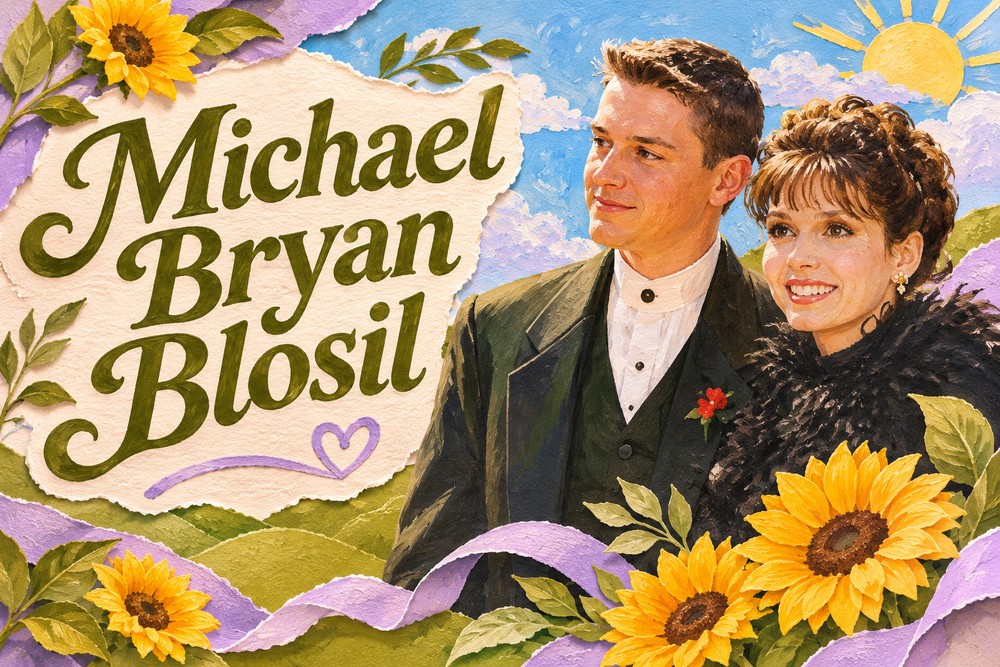
Michael Bryan Blosil’s life is often introduced through a painful ending, but he was more than a headline about loss. The biography of Michael Bryan Blosil describes him as the adopted son of entertainer Marie Osmond and music producer Brian Blosil, born in 1991 and raised in a large family. It recounts interests in music and fashion studies. These details should be treated carefully: some derive from retrospective reporting, while intimate experiences belong to Michael and those who knew him. Respectful writing puts a full young person ahead of a tragic label.
Michael grew up in a household where music and performance were part of the surrounding culture. Marie Osmond had a long entertainment career, and the Osmond family had been a public presence for decades. That visibility can make his story seem unusually accessible, but fame in a family does not erase a person’s right to privacy. Many accounts mention his siblings; the more meaningful point is that he belonged to a family with close relationships and a life extending well beyond public appearances.
The source says Michael learned several instruments, wrote songs, and performed drums during a Christmas tour. It also reports that he enrolled at the Fashion Institute of Design & Merchandising in Los Angeles in 2009, studying apparel manufacturing with an interest in retail and design. Such details resist reducing him to a single event. They suggest a young adult trying to build skills and imagine a future, although the exact scope of reported accomplishments can vary among accounts and should not be overstated.
Michael died in February 2010, aged 18. Reports at the time described his death as suicide and noted that he had struggled with depression. The language used around suicide matters: it should be factual, non-sensational, and free of speculation about a single cause. Mental health conditions are complex, and no one detail can explain a person’s death. Family statements and contemporaneous coverage deserve more weight than recycled online claims, particularly for medical or personal information.
Marie Osmond spoke publicly about the grief of losing her son and asked for compassion and understanding around depression. ABC News coverage of Marie Osmond speaking about Michael’s death covers her public reflections and keeps the conversation connected to the reality that families can be deeply affected by mental illness. They do not authorize outsiders to fill in private details. A humane account gives space to her loss without making grief into spectacle, and recognizes that public statements are only a small part of a family’s experience.
Remembering Michael means acknowledging both his interests and the limits of what the public can know. People close to him described him as thoughtful, generous, and funny; these are tributes, not measurable facts. He pursued music, education, and design, and had relationships with family and friends that cannot be reconstructed from a web page. When information is uncertain, saying so is better than turning repeated claims into apparent proof. His life deserves more than a search-engine summary.
This subject also calls for care with details about other family members, especially siblings who may not have chosen public attention. Their names and private histories are not necessary to explain Michael’s life. A concise family context can make the narrative intelligible while avoiding circulation of personal data. Biographies should not treat a public figure’s children as public property simply because their parent is well known or because a family has participated in entertainment.
The enduring account of Michael Bryan Blosil should hold together promise, individuality, and sorrow. He was a son and brother, a student with creative interests, and a young person who lived with challenges that deserve compassion rather than judgment. Good memorial writing remains modest about what cannot be known. It can honor his life, acknowledge the family’s loss, and remind readers that depression is a serious health condition, not a character flaw or complete explanation of someone’s identity.